%20%20--%3E%0A%3Csvg%20version%3D%221.1%22%20xmlns%3D%22http%3A%2F%2Fwww.w3.org%2F2000%2Fsvg%22%20xmlns%3Axlink%3D%22http%3A%2F%2Fwww.w3.org%2F1999%2Fxlink%22%20x%3D%220px%22%20y%3D%220px%22%0A%09%20viewBox%3D%220%200%20879.7%20200%22%20style%3D%22enable-background%3Anew%200%200%20879.7%20200%3B%22%20xml%3Aspace%3D%22preserve%22%3E%0A%3Cstyle%20type%3D%22text%2Fcss%22%3E%0A%09.st0%7Bfill%3A%23231F20%3B%7D%0A%09.st1%7Bfill%3A%23CC2027%3B%7D%0A%09.st2%7Bfill%3A%23FFFFFF%3B%7D%0A%09.st3%7Bfill%3A%230F0F0F%3B%7D%0A%09.st4%7Bfill%3A%23FAAF40%3B%7D%0A%09.st5%7Bfill%3A%23F1F1F2%3B%7D%0A%09.st6%7Bfill%3A%23F2F2F2%3B%7D%0A%09.st7%7Bfill%3A%23FFDD15%3B%7D%0A%09.st8%7Bfill%3A%23F16522%3B%7D%0A%09.st9%7Bfill%3A%2337B34A%3B%7D%0A%3C%2Fstyle%3E%0A%3Cg%20id%3D%22Template%22%3E%0A%3C%2Fg%3E%0A%3Cg%20id%3D%22Layer_2%22%3E%0A%09%3Cg%3E%0A%09%09%3Cpath%20class%3D%22st2%22%20d%3D%22M0%2C197.1L23.9%2C2.9C24.1%2C1.1%2C25.4%2C0%2C27.1%2C0h47.7c1.4%2C0%2C2.5%2C0.6%2C3.3%2C1.4l9%2C10.3c0.8%2C0.9%2C1.2%2C2%2C1%2C3.4L79%2C88.9%0A%09%09%09c-0.2%2C1.4-0.6%2C2.6-1.6%2C3.7l-5.3%2C6c-1%2C1.1-1.2%2C2.9-0.5%2C4l3.8%2C6c0.7%2C1.1%2C0.9%2C2%2C0.7%2C3.4l-8.9%2C72.9c-0.2%2C1.4-0.9%2C2.6-1.8%2C3.4%0A%09%09%09l-11.5%2C10.3c-1%2C0.9-2.2%2C1.4-3.6%2C1.4H2.5C0.8%2C200-0.2%2C198.9%2C0%2C197.1z%20M50.5%2C88.3c1.7%2C0%2C3-1.1%2C3.2-2.9l7.2-58.3%0A%09%09%09c0.2-1.7-0.8-2.9-2.5-2.9H47l-7.9%2C64H50.5z%20M39.8%2C175.4c1.7%2C0%2C3-1.1%2C3.2-2.9l7-57.1c0.2-1.7-0.8-2.9-2.5-2.9H36.1l-7.7%2C62.9H39.8z%0A%09%09%09%22%2F%3E%0A%09%09%3Cpath%20class%3D%22st2%22%20d%3D%22M77.2%2C197.1L101%2C2.9c0.2-1.7%2C1.5-2.9%2C3.2-2.9h20c1.7%2C0%2C2.7%2C1.1%2C2.5%2C2.9l-21%2C171.4c-0.1%2C0.9%2C0.4%2C1.4%2C1.3%2C1.4%0A%09%09%09h22.9c1.7%2C0%2C2.7%2C1.1%2C2.5%2C2.9l-2.3%2C18.6c-0.2%2C1.7-1.5%2C2.9-3.2%2C2.9H79.7C78%2C200%2C77%2C198.9%2C77.2%2C197.1z%22%2F%3E%0A%09%09%3Cpath%20class%3D%22st2%22%20d%3D%22M207.1%2C200h-20c-1.7%2C0-3-0.9-2.8-2.9l2.3-35.1h-18.6l-6.6%2C35.1c-0.2%2C2-1.8%2C2.9-3.5%2C2.9h-20%0A%09%09%09c-1.7%2C0-2.7-1.1-2.2-2.9L176.4%2C2.9c0.5-2%2C1.8-2.9%2C3.5-2.9h34.3c1.7%2C0%2C2.8%2C0.9%2C2.8%2C2.9l-7%2C194.3C210.1%2C198.9%2C208.8%2C200%2C207.1%2C200z%0A%09%09%09%20M188.2%2C137.7l5.9-94.9h-4.3l-17.4%2C94.9H188.2z%22%2F%3E%0A%09%09%3Cpath%20class%3D%22st2%22%20d%3D%22M227.3%2C198.6l-9-10.3c-0.8-0.9-1.2-2-1-3.4l20.8-169.7c0.2-1.4%2C0.9-2.6%2C1.8-3.4l11.5-10.3%0A%09%09%09c1-0.9%2C2.2-1.4%2C3.6-1.4h35.4c1.4%2C0%2C2.5%2C0.6%2C3.3%2C1.4l9%2C10.3c0.8%2C0.9%2C1.2%2C2%2C1%2C3.4L297.1%2C70c-0.2%2C1.7-1.5%2C2.9-3.2%2C2.9h-20%0A%09%09%09c-1.7%2C0-2.7-1.1-2.5-2.9l5.4-44.3c0.1-0.9-0.4-1.4-1.3-1.4h-11.4c-0.9%2C0-1.5%2C0.6-1.6%2C1.4l-18.2%2C148.6c-0.1%2C0.9%2C0.4%2C1.4%2C1.3%2C1.4%0A%09%09%09H257c0.9%2C0%2C1.5-0.6%2C1.6-1.4l5.5-44.6c0.2-1.7%2C1.5-2.9%2C3.2-2.9h20c1.7%2C0%2C2.7%2C1.1%2C2.5%2C2.9l-6.8%2C55.1c-0.2%2C1.4-0.9%2C2.6-1.8%2C3.4%0A%09%09%09l-11.5%2C10.3c-1%2C0.9-2.2%2C1.4-3.6%2C1.4h-35.4C229.1%2C200%2C228.1%2C199.4%2C227.3%2C198.6z%22%2F%3E%0A%09%09%3Cpath%20class%3D%22st2%22%20d%3D%22M364%2C200h-19.7c-1.7%2C0-2.5-0.9-2.9-2.3l-13-80l-9.8%2C79.4c-0.2%2C1.7-1.5%2C2.9-3.2%2C2.9h-20%0A%09%09%09c-1.7%2C0-2.7-1.1-2.5-2.9L316.8%2C2.9C317%2C1.1%2C318.3%2C0%2C320%2C0h20c1.7%2C0%2C2.7%2C1.1%2C2.5%2C2.9L332.8%2C82L360%2C2.6c0.5-1.7%2C1.7-2.6%2C3.5-2.6h20%0A%09%09%09c2%2C0%2C2.4%2C1.4%2C1.9%2C3.1l-33.1%2C95.1l14.8%2C98.6C367.3%2C198.9%2C366%2C200%2C364%2C200z%22%2F%3E%0A%09%09%3Cpath%20class%3D%22st2%22%20d%3D%22M462.6%2C2.9l-23.8%2C194c-0.2%2C1.7-1.5%2C2.9-3.2%2C2.9h-20c-1.7%2C0-2.7-1.1-2.5-2.9l10.7-86.9h-14.6l-10.7%2C87.1%0A%09%09%09c-0.2%2C1.7-1.5%2C2.9-3.2%2C2.9h-20c-1.7%2C0-2.7-1.1-2.5-2.9L396.6%2C2.9c0.2-1.7%2C1.5-2.9%2C3.2-2.9h20c1.7%2C0%2C2.7%2C1.1%2C2.5%2C2.9l-10.2%2C82.9%0A%09%09%09h14.6l10.2-82.9c0.2-1.7%2C1.5-2.9%2C3.2-2.9h20C461.8%2C0%2C462.8%2C1.1%2C462.6%2C2.9z%22%2F%3E%0A%09%09%3Cpath%20class%3D%22st2%22%20d%3D%22M515.9%2C200h-20c-1.7%2C0-3-0.9-2.8-2.9l2.3-35.1h-18.6l-6.6%2C35.1c-0.2%2C2-1.8%2C2.9-3.5%2C2.9h-20%0A%09%09%09c-1.7%2C0-2.7-1.1-2.2-2.9L485.2%2C2.9c0.5-2%2C1.8-2.9%2C3.5-2.9H523c1.7%2C0%2C2.8%2C0.9%2C2.8%2C2.9l-7%2C194.3C518.9%2C198.9%2C517.6%2C200%2C515.9%2C200z%0A%09%09%09%20M497%2C137.7l5.9-94.9h-4.3l-17.4%2C94.9H497z%22%2F%3E%0A%09%09%3Cpath%20class%3D%22st2%22%20d%3D%22M528.1%2C197.1l9.9-194.3c0.2-2%2C1.2-2.9%2C2.9-2.9h20c1.7%2C0%2C2.8%2C0.9%2C2.5%2C2.9l-10%2C118.6c-0.1%2C1.1%2C0.4%2C1.4%2C1.3%2C1.4%0A%09%09%09h1.7c0.9%2C0%2C1.5-0.3%2C1.6-1.4L578.2%2C2.9c0.2-2%2C1.5-2.9%2C3.2-2.9h22.9c1.7%2C0%2C3%2C0.9%2C2.8%2C2.9l-8.3%2C118.6c-0.1%2C1.1%2C0.4%2C1.4%2C1.3%2C1.4h1.7%0A%09%09%09c0.9%2C0%2C1.5-0.3%2C1.6-1.4L621.7%2C2.9c0.2-2%2C1.5-2.9%2C3.2-2.9h20c1.7%2C0%2C2.5%2C0.9%2C2.2%2C2.9l-37.9%2C194.3c-0.2%2C2-1.8%2C2.9-3.5%2C2.9h-28.6%0A%09%09%09c-1.7%2C0-2.8-0.9-2.5-2.9l9.2-107.4c0.1-1.1-0.4-1.4-1.3-1.4h-1.1c-0.9%2C0-1.5%2C0.3-1.6%2C1.4l-17.2%2C107.4c-0.2%2C2-1.5%2C2.9-3.2%2C2.9%0A%09%09%09h-28.6C529.2%2C200%2C527.8%2C199.1%2C528.1%2C197.1z%22%2F%3E%0A%09%09%3Cpath%20class%3D%22st2%22%20d%3D%22M700%2C200h-19.7c-1.7%2C0-2.5-0.9-2.9-2.3l-13-80l-9.8%2C79.4c-0.2%2C1.7-1.5%2C2.9-3.2%2C2.9h-20%0A%09%09%09c-1.7%2C0-2.7-1.1-2.5-2.9L652.8%2C2.9C653%2C1.1%2C654.3%2C0%2C656%2C0h20c1.7%2C0%2C2.7%2C1.1%2C2.5%2C2.9L668.8%2C82L696%2C2.6c0.5-1.7%2C1.7-2.6%2C3.5-2.6h20%0A%09%09%09c2%2C0%2C2.4%2C1.4%2C1.9%2C3.1l-33.1%2C95.1l14.8%2C98.6C703.3%2C198.9%2C702%2C200%2C700%2C200z%22%2F%3E%0A%09%09%3Cpath%20class%3D%22st3%22%20d%3D%22M857.3%2C174.3H720.2c-1.7%2C0-3%2C1.1-3.2%2C2.9l-2.5%2C20c-0.2%2C1.7%2C0.8%2C2.9%2C2.5%2C2.9h137.1c1.7%2C0%2C3-1.1%2C3.2-2.9l2.5-20%0A%09%09%09C860%2C175.4%2C859%2C174.3%2C857.3%2C174.3z%22%2F%3E%0A%09%09%3Cpath%20class%3D%22st3%22%20d%3D%22M730.6%2C161.4c0.8%2C0.9%2C1.8%2C1.4%2C3.3%2C1.4h35.4c1.4%2C0%2C2.6-0.6%2C3.6-1.4l11.5-10.3c1-0.9%2C1.7-2%2C1.8-3.4L804.1%2C2.9%0A%09%09%09c0.2-1.7-0.8-2.9-2.5-2.9h-20c-1.7%2C0-3%2C1.1-3.2%2C2.9l-16.5%2C134.3c-0.1%2C0.9-0.7%2C1.4-1.6%2C1.4h-11.4c-0.9%2C0-1.4-0.6-1.3-1.4L764.1%2C2.9%0A%09%09%09c0.2-1.7-0.8-2.9-2.5-2.9h-20c-1.7%2C0-3%2C1.1-3.2%2C2.9l-17.8%2C144.9c-0.2%2C1.4%2C0.3%2C2.6%2C1%2C3.4L730.6%2C161.4z%22%2F%3E%0A%09%09%3Cpath%20class%3D%22st3%22%20d%3D%22M878.7%2C11.7l-9-10.3c-0.8-0.9-1.8-1.4-3.3-1.4h-47.7c-1.7%2C0-3%2C1.1-3.2%2C2.9L796.2%2C160%0A%09%09%09c-0.2%2C1.7%2C0.8%2C2.9%2C2.5%2C2.9h20c1.7%2C0%2C3-1.1%2C3.2-2.9l7.2-58.3c0.1-0.9%2C0.7-1.4%2C1.6-1.4h23.4c1.4%2C0%2C2.6-0.6%2C3.6-1.4l11.5-10.3%0A%09%09%09c1-0.9%2C1.7-2%2C1.8-3.4l8.6-70C879.9%2C13.7%2C879.5%2C12.6%2C878.7%2C11.7z%20M846.9%2C73.1c-0.2%2C1.7-1.5%2C2.9-3.2%2C2.9h-11.4l6.4-51.7H850%0A%09%09%09c1.7%2C0%2C2.7%2C1.1%2C2.5%2C2.9L846.9%2C73.1z%22%2F%3E%0A%09%3C%2Fg%3E%0A%3C%2Fg%3E%0A%3C%2Fsvg%3E%0A)

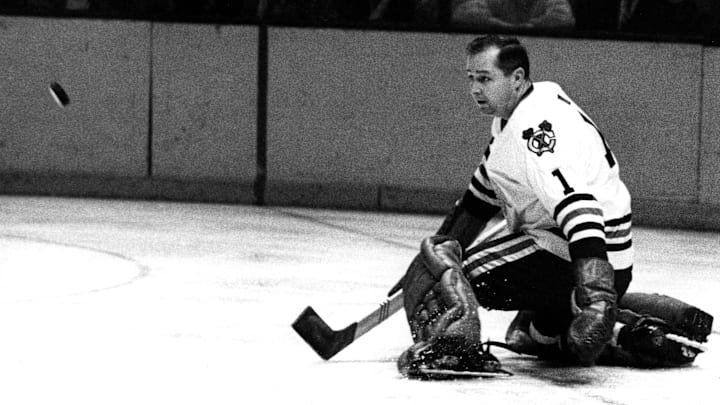
Glenn Hall was not just a legend for the Chicago Blackhawks; he was a legend for the game of hockey. You’re not given the nickname Mr. Goalie because you were an average goaltender. You earn it for being one of the greatest to ever play the position. Hall passed away on Wednesday at the age of 94, leaving an unmatched legacy that will endure until the end of time.
“The Chicago Blackhawks are deeply saddened to learn of the passing of Glenn Hall, one of the greatest and most influential goaltenders in the history of our sport and a cornerstone of our franchise,” Blackhawks Chairman Danny Wirtz wrote in an official statement. “During his decade in Chicago, he became the backbone of the Blackhawks, leading the team to our 1961 Stanley Cup Championship.”
I never got to see Hall play, as he retired eight years before I was born. But he was a name I became familiar with in my earliest days of fandom. My parents told me stories of seeing him play while they were growing up in the 1960s. And then there was the banner.
Going to the Chicago Stadium as a kid, everything was larger than life. We always sat in the second balcony, where my eyes were always instantly attracted to the banners hanging from the ceiling. You could feel the echoes of history just reading off the years of great seasons past and the names of the legends who once skated on the very ice. Hall’s name was the first I saw every time we went. While I didn’t know much about him the first time I saw his banner, I knew he must be a special player to have his name and number immortalized in cloth.
A Journey to Chicago
Hall’s voyage to becoming a kid from Humboldt, Saskatchewan, to being Mr. Goalie began when he signed with the Detroit Red Wings in 1949. He got his name on the Stanley Cup for the first time in 1952 by serving as the Red Wings’ backup goaltender. One of the fun facts of his career was that he got his name on the greatest trophy in all of sports before ever playing in an NHL game.
In 1955, Hall replaced fellow Hall of Famer Terry Sawchuk in the crease after he was traded to the Boston Bruins. He began his historic streak by playing in every game of the 1955-56 season, recording 12 shutouts and winning the Calder Trophy for being the NHL’s top rookie. His second season ended with his first of three Vezina Trophies, which, at the time, was given to the goaltenders on the team that allowed the fewest goals during the season.
That summer, the Red Wings reacquired Sawchuk from the Bruins for an unknown forward named Johnny Bucyk. A few weeks later, the Red Wings traded Hall and Ted Lindsay to the Blackhawks for Bill Preston, Hank Bassen, Forbes Kennedy, and Johnny Wilson. It was in Chicago where Hall went from being a promising young goaltender to a legend of the game.
The Unbreakable Record
Hall made an immediate impact on the Blackhawks. He finished third in Hart Trophy voting following his third season in Chicago, when he led the league with six shutouts and allowed an NHL-low 179 goals in 70 games. He helped the Blackhawks return to the top of the hockey mountain the following season.
During the 70-game 1960-61 regular season, Hall won 29 games, posted a 2.53 goals-against average (GAA) and a .920 save percentage (SV%), and recorded another six shutouts. He went 8-4 in the postseason, with his GAA dropping to 2.02 and his SV% rising to .937. He had back-to-back shutouts to eliminate the Montreal Canadiens and advance to the Stanley Cup Final, where he faced his former team. The Blackhawks won the series in six games and their first Stanley Cup since 1938. They wouldn’t win another one until that magical 2009-2010 season.
After playing every minute of the 1961-62 season, his streak of 502 consecutive games played came to an end on Nov. 7, 1962, when a back injury forced him out of a game against the Boston Bruins. He returned to the lineup 10 days later. Hall’s record will never be broken. He didn’t just start 502 straight games; he played every minute without wearing a mask. Granted, those games came before Stan Mikita broke his stick and figured out how to get the puck off the ice with ease, but that doesn’t take away from how tough Hall needed to be.
Singing the Blues
It was appropriate that the St. Louis Blues were in town to play the Blackhawks on the day Hall died. After winning his third Vezina Trophy during the 1966-67 season, he was left unprotected for the 1967 NHL Expansion Draft. The Blackhawks were led to believe he was going to retire, so they made him available, and the Blues used their first pick to nab him.
The Blues convinced Hall to keep playing, and he led them to the Stanley Cup Final in their first season. When the NHL expanded from six to 12 teams, the original six teams stayed in the same division, while the six new franchises played in their own division. St. Louis was swept by the powerhouse Canadiens, but all four games were decided by one goal thanks to Hall’s heroics. He won the Conn Smythe Trophy for being the most valuable player of the postseason despite not winning a single game in the championship series.
The great Glenn Hall turning a delayed penalty sprint to the bench into an assist on a Terry Crisp goal.. making it look easy.. pic.twitter.com/uXId3jF2yB
— Old Hockey Cards (@oldhockeycards) January 20, 2025
The following season, Hall and Jacques Plante shared the Blues’ crease. They won the Vezina Trophy and led the league with a combined 13 shutouts. He retired that offseason, but returned the following season and helped the Blues return to the Stanley Cup Final, where he allowed the famous Cup-clinching overtime goal to Bobby Orr. He retired for good following the 1970-71 season.
An Enduring Legacy
Hall was elected to the Hockey Hall of Fame in 1975. In 1988, his No. 1 was retired by the Blackhawks on the same night they retired Tony Esposito’s No. 35. He got his name on the Stanley Cup for a third time in 1989 as the goaltending coach for the Calgary Flames. The Hockey News ranked him as the 16th-greatest player in hockey history in 1998. In 2005, his hometown of Humboldt erected a monument in his honor at Glenn Hall Park on Glenn Hall Drive. The NHL named him as one of the 100 Greatest Players to celebrate its centennial season in 2017.
Mr. Goalie will be remembered as one of the greatest netminders to ever lace up a pair of skates. He was a First-Team All-Star selection seven times during an era featuring numerous goaltending legends. His ironman streak is what he is best known for, but he is responsible for making the butterfly style become common in hockey. Esposito took the style that Hall started and innovated to what we see today.
Remembering “Mr. Goalie”❤️
— Chicago Blackhawks (@NHLBlackhawks) January 8, 2026
We mourn the passing of Hall of Fame Goaltender and Stanley Cup Champion Glenn Hall.
From the entire organization, we want to extend our deepest condolences to the Hall family. pic.twitter.com/1RscRTSN3P
Hall’s legacy won’t be just for what he accomplished on the ice. He was a tremendous hockey player and an even better person. Watch any interview he’s ever given, and you can see a kind and classy gentleman. I never had the opportunity to talk to him in my career, but no one has ever said a discouraging word about him.
Hall was the last living member of that 1961 Stanley Cup championship team. As a lover of history, that makes his passing even sadder, as one of the greatest teams in franchise history is no longer here to share their memories and stories of hockey lore. The Blackhawks do an amazing job of keeping their history alive, so Hall’s story will never go silent. His accomplishments and personality will live forever. Godspeed, Mr. Goalie.
 Add us as a preferred source on Google