%20%20--%3E%0A%3Csvg%20version%3D%221.1%22%20xmlns%3D%22http%3A%2F%2Fwww.w3.org%2F2000%2Fsvg%22%20xmlns%3Axlink%3D%22http%3A%2F%2Fwww.w3.org%2F1999%2Fxlink%22%20x%3D%220px%22%20y%3D%220px%22%0A%09%20viewBox%3D%220%200%20879.7%20200%22%20style%3D%22enable-background%3Anew%200%200%20879.7%20200%3B%22%20xml%3Aspace%3D%22preserve%22%3E%0A%3Cstyle%20type%3D%22text%2Fcss%22%3E%0A%09.st0%7Bfill%3A%23231F20%3B%7D%0A%09.st1%7Bfill%3A%23CC2027%3B%7D%0A%09.st2%7Bfill%3A%23FFFFFF%3B%7D%0A%09.st3%7Bfill%3A%230F0F0F%3B%7D%0A%09.st4%7Bfill%3A%23FAAF40%3B%7D%0A%09.st5%7Bfill%3A%23F1F1F2%3B%7D%0A%09.st6%7Bfill%3A%23F2F2F2%3B%7D%0A%09.st7%7Bfill%3A%23FFDD15%3B%7D%0A%09.st8%7Bfill%3A%23F16522%3B%7D%0A%09.st9%7Bfill%3A%2337B34A%3B%7D%0A%3C%2Fstyle%3E%0A%3Cg%20id%3D%22Template%22%3E%0A%3C%2Fg%3E%0A%3Cg%20id%3D%22Layer_2%22%3E%0A%09%3Cg%3E%0A%09%09%3Cpath%20class%3D%22st2%22%20d%3D%22M0%2C197.1L23.9%2C2.9C24.1%2C1.1%2C25.4%2C0%2C27.1%2C0h47.7c1.4%2C0%2C2.5%2C0.6%2C3.3%2C1.4l9%2C10.3c0.8%2C0.9%2C1.2%2C2%2C1%2C3.4L79%2C88.9%0A%09%09%09c-0.2%2C1.4-0.6%2C2.6-1.6%2C3.7l-5.3%2C6c-1%2C1.1-1.2%2C2.9-0.5%2C4l3.8%2C6c0.7%2C1.1%2C0.9%2C2%2C0.7%2C3.4l-8.9%2C72.9c-0.2%2C1.4-0.9%2C2.6-1.8%2C3.4%0A%09%09%09l-11.5%2C10.3c-1%2C0.9-2.2%2C1.4-3.6%2C1.4H2.5C0.8%2C200-0.2%2C198.9%2C0%2C197.1z%20M50.5%2C88.3c1.7%2C0%2C3-1.1%2C3.2-2.9l7.2-58.3%0A%09%09%09c0.2-1.7-0.8-2.9-2.5-2.9H47l-7.9%2C64H50.5z%20M39.8%2C175.4c1.7%2C0%2C3-1.1%2C3.2-2.9l7-57.1c0.2-1.7-0.8-2.9-2.5-2.9H36.1l-7.7%2C62.9H39.8z%0A%09%09%09%22%2F%3E%0A%09%09%3Cpath%20class%3D%22st2%22%20d%3D%22M77.2%2C197.1L101%2C2.9c0.2-1.7%2C1.5-2.9%2C3.2-2.9h20c1.7%2C0%2C2.7%2C1.1%2C2.5%2C2.9l-21%2C171.4c-0.1%2C0.9%2C0.4%2C1.4%2C1.3%2C1.4%0A%09%09%09h22.9c1.7%2C0%2C2.7%2C1.1%2C2.5%2C2.9l-2.3%2C18.6c-0.2%2C1.7-1.5%2C2.9-3.2%2C2.9H79.7C78%2C200%2C77%2C198.9%2C77.2%2C197.1z%22%2F%3E%0A%09%09%3Cpath%20class%3D%22st2%22%20d%3D%22M207.1%2C200h-20c-1.7%2C0-3-0.9-2.8-2.9l2.3-35.1h-18.6l-6.6%2C35.1c-0.2%2C2-1.8%2C2.9-3.5%2C2.9h-20%0A%09%09%09c-1.7%2C0-2.7-1.1-2.2-2.9L176.4%2C2.9c0.5-2%2C1.8-2.9%2C3.5-2.9h34.3c1.7%2C0%2C2.8%2C0.9%2C2.8%2C2.9l-7%2C194.3C210.1%2C198.9%2C208.8%2C200%2C207.1%2C200z%0A%09%09%09%20M188.2%2C137.7l5.9-94.9h-4.3l-17.4%2C94.9H188.2z%22%2F%3E%0A%09%09%3Cpath%20class%3D%22st2%22%20d%3D%22M227.3%2C198.6l-9-10.3c-0.8-0.9-1.2-2-1-3.4l20.8-169.7c0.2-1.4%2C0.9-2.6%2C1.8-3.4l11.5-10.3%0A%09%09%09c1-0.9%2C2.2-1.4%2C3.6-1.4h35.4c1.4%2C0%2C2.5%2C0.6%2C3.3%2C1.4l9%2C10.3c0.8%2C0.9%2C1.2%2C2%2C1%2C3.4L297.1%2C70c-0.2%2C1.7-1.5%2C2.9-3.2%2C2.9h-20%0A%09%09%09c-1.7%2C0-2.7-1.1-2.5-2.9l5.4-44.3c0.1-0.9-0.4-1.4-1.3-1.4h-11.4c-0.9%2C0-1.5%2C0.6-1.6%2C1.4l-18.2%2C148.6c-0.1%2C0.9%2C0.4%2C1.4%2C1.3%2C1.4%0A%09%09%09H257c0.9%2C0%2C1.5-0.6%2C1.6-1.4l5.5-44.6c0.2-1.7%2C1.5-2.9%2C3.2-2.9h20c1.7%2C0%2C2.7%2C1.1%2C2.5%2C2.9l-6.8%2C55.1c-0.2%2C1.4-0.9%2C2.6-1.8%2C3.4%0A%09%09%09l-11.5%2C10.3c-1%2C0.9-2.2%2C1.4-3.6%2C1.4h-35.4C229.1%2C200%2C228.1%2C199.4%2C227.3%2C198.6z%22%2F%3E%0A%09%09%3Cpath%20class%3D%22st2%22%20d%3D%22M364%2C200h-19.7c-1.7%2C0-2.5-0.9-2.9-2.3l-13-80l-9.8%2C79.4c-0.2%2C1.7-1.5%2C2.9-3.2%2C2.9h-20%0A%09%09%09c-1.7%2C0-2.7-1.1-2.5-2.9L316.8%2C2.9C317%2C1.1%2C318.3%2C0%2C320%2C0h20c1.7%2C0%2C2.7%2C1.1%2C2.5%2C2.9L332.8%2C82L360%2C2.6c0.5-1.7%2C1.7-2.6%2C3.5-2.6h20%0A%09%09%09c2%2C0%2C2.4%2C1.4%2C1.9%2C3.1l-33.1%2C95.1l14.8%2C98.6C367.3%2C198.9%2C366%2C200%2C364%2C200z%22%2F%3E%0A%09%09%3Cpath%20class%3D%22st2%22%20d%3D%22M462.6%2C2.9l-23.8%2C194c-0.2%2C1.7-1.5%2C2.9-3.2%2C2.9h-20c-1.7%2C0-2.7-1.1-2.5-2.9l10.7-86.9h-14.6l-10.7%2C87.1%0A%09%09%09c-0.2%2C1.7-1.5%2C2.9-3.2%2C2.9h-20c-1.7%2C0-2.7-1.1-2.5-2.9L396.6%2C2.9c0.2-1.7%2C1.5-2.9%2C3.2-2.9h20c1.7%2C0%2C2.7%2C1.1%2C2.5%2C2.9l-10.2%2C82.9%0A%09%09%09h14.6l10.2-82.9c0.2-1.7%2C1.5-2.9%2C3.2-2.9h20C461.8%2C0%2C462.8%2C1.1%2C462.6%2C2.9z%22%2F%3E%0A%09%09%3Cpath%20class%3D%22st2%22%20d%3D%22M515.9%2C200h-20c-1.7%2C0-3-0.9-2.8-2.9l2.3-35.1h-18.6l-6.6%2C35.1c-0.2%2C2-1.8%2C2.9-3.5%2C2.9h-20%0A%09%09%09c-1.7%2C0-2.7-1.1-2.2-2.9L485.2%2C2.9c0.5-2%2C1.8-2.9%2C3.5-2.9H523c1.7%2C0%2C2.8%2C0.9%2C2.8%2C2.9l-7%2C194.3C518.9%2C198.9%2C517.6%2C200%2C515.9%2C200z%0A%09%09%09%20M497%2C137.7l5.9-94.9h-4.3l-17.4%2C94.9H497z%22%2F%3E%0A%09%09%3Cpath%20class%3D%22st2%22%20d%3D%22M528.1%2C197.1l9.9-194.3c0.2-2%2C1.2-2.9%2C2.9-2.9h20c1.7%2C0%2C2.8%2C0.9%2C2.5%2C2.9l-10%2C118.6c-0.1%2C1.1%2C0.4%2C1.4%2C1.3%2C1.4%0A%09%09%09h1.7c0.9%2C0%2C1.5-0.3%2C1.6-1.4L578.2%2C2.9c0.2-2%2C1.5-2.9%2C3.2-2.9h22.9c1.7%2C0%2C3%2C0.9%2C2.8%2C2.9l-8.3%2C118.6c-0.1%2C1.1%2C0.4%2C1.4%2C1.3%2C1.4h1.7%0A%09%09%09c0.9%2C0%2C1.5-0.3%2C1.6-1.4L621.7%2C2.9c0.2-2%2C1.5-2.9%2C3.2-2.9h20c1.7%2C0%2C2.5%2C0.9%2C2.2%2C2.9l-37.9%2C194.3c-0.2%2C2-1.8%2C2.9-3.5%2C2.9h-28.6%0A%09%09%09c-1.7%2C0-2.8-0.9-2.5-2.9l9.2-107.4c0.1-1.1-0.4-1.4-1.3-1.4h-1.1c-0.9%2C0-1.5%2C0.3-1.6%2C1.4l-17.2%2C107.4c-0.2%2C2-1.5%2C2.9-3.2%2C2.9%0A%09%09%09h-28.6C529.2%2C200%2C527.8%2C199.1%2C528.1%2C197.1z%22%2F%3E%0A%09%09%3Cpath%20class%3D%22st2%22%20d%3D%22M700%2C200h-19.7c-1.7%2C0-2.5-0.9-2.9-2.3l-13-80l-9.8%2C79.4c-0.2%2C1.7-1.5%2C2.9-3.2%2C2.9h-20%0A%09%09%09c-1.7%2C0-2.7-1.1-2.5-2.9L652.8%2C2.9C653%2C1.1%2C654.3%2C0%2C656%2C0h20c1.7%2C0%2C2.7%2C1.1%2C2.5%2C2.9L668.8%2C82L696%2C2.6c0.5-1.7%2C1.7-2.6%2C3.5-2.6h20%0A%09%09%09c2%2C0%2C2.4%2C1.4%2C1.9%2C3.1l-33.1%2C95.1l14.8%2C98.6C703.3%2C198.9%2C702%2C200%2C700%2C200z%22%2F%3E%0A%09%09%3Cpath%20class%3D%22st3%22%20d%3D%22M857.3%2C174.3H720.2c-1.7%2C0-3%2C1.1-3.2%2C2.9l-2.5%2C20c-0.2%2C1.7%2C0.8%2C2.9%2C2.5%2C2.9h137.1c1.7%2C0%2C3-1.1%2C3.2-2.9l2.5-20%0A%09%09%09C860%2C175.4%2C859%2C174.3%2C857.3%2C174.3z%22%2F%3E%0A%09%09%3Cpath%20class%3D%22st3%22%20d%3D%22M730.6%2C161.4c0.8%2C0.9%2C1.8%2C1.4%2C3.3%2C1.4h35.4c1.4%2C0%2C2.6-0.6%2C3.6-1.4l11.5-10.3c1-0.9%2C1.7-2%2C1.8-3.4L804.1%2C2.9%0A%09%09%09c0.2-1.7-0.8-2.9-2.5-2.9h-20c-1.7%2C0-3%2C1.1-3.2%2C2.9l-16.5%2C134.3c-0.1%2C0.9-0.7%2C1.4-1.6%2C1.4h-11.4c-0.9%2C0-1.4-0.6-1.3-1.4L764.1%2C2.9%0A%09%09%09c0.2-1.7-0.8-2.9-2.5-2.9h-20c-1.7%2C0-3%2C1.1-3.2%2C2.9l-17.8%2C144.9c-0.2%2C1.4%2C0.3%2C2.6%2C1%2C3.4L730.6%2C161.4z%22%2F%3E%0A%09%09%3Cpath%20class%3D%22st3%22%20d%3D%22M878.7%2C11.7l-9-10.3c-0.8-0.9-1.8-1.4-3.3-1.4h-47.7c-1.7%2C0-3%2C1.1-3.2%2C2.9L796.2%2C160%0A%09%09%09c-0.2%2C1.7%2C0.8%2C2.9%2C2.5%2C2.9h20c1.7%2C0%2C3-1.1%2C3.2-2.9l7.2-58.3c0.1-0.9%2C0.7-1.4%2C1.6-1.4h23.4c1.4%2C0%2C2.6-0.6%2C3.6-1.4l11.5-10.3%0A%09%09%09c1-0.9%2C1.7-2%2C1.8-3.4l8.6-70C879.9%2C13.7%2C879.5%2C12.6%2C878.7%2C11.7z%20M846.9%2C73.1c-0.2%2C1.7-1.5%2C2.9-3.2%2C2.9h-11.4l6.4-51.7H850%0A%09%09%09c1.7%2C0%2C2.7%2C1.1%2C2.5%2C2.9L846.9%2C73.1z%22%2F%3E%0A%09%3C%2Fg%3E%0A%3C%2Fg%3E%0A%3C%2Fsvg%3E%0A)

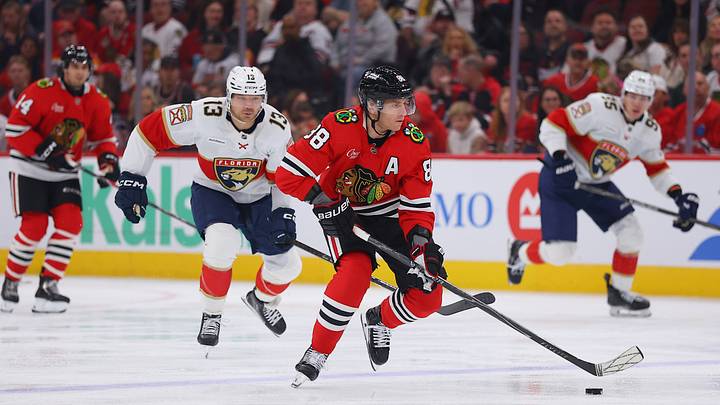
The Chicago Blackhawks are improving little by little, and they went 1-for-3 on the power play against a tired LA Kings team on Tuesday, October 27. Regarding the power play, there's been a lot to like about the recent changes they've made made.
First, Tyler Bertuzzi is being used as a human backboard again. and if he had any puck luck (it feels like the whole team has been snake bitten), he would've also scored a power-play goal in typical "Bert" style. Second, it appears Roman Kantserov in the bumper spot works quite well, with either Patrick Kane or Connor Bedard being able to feed him the puck from either wing.
Some areas for improvement on the power play
I still dislike the five-forward top unit the team is running, with Teuvo Teravainen at the point. I really think defenseman Artyom Levshunov could man the point in Bowen Byram's absence, as his ability to move the puck is his strong suit. Teravainen hasn't done the best job at this spot and, honestly, makes the system look lost more often than not. There is no true threat at the point, but the Blackhawks don't really like net-front presence, either. Bertuzzi tends to score his goals at the side of the net, banking shots off his shin pads and skates into the net rather than scoring off of tips.
Bedard hasn't gotten enough looks with his shot, either. I don't think the team tried to use him as the one-timer option long enough for it to work. With one of the best shots in the NHL, using him as a pass option is a bit of a head-scratcher.
The lack of movement on the power play is also concerning; there isn't enough interchange with the forwards in the zone (pinching in, circling out, finding open ice, etc.). Penalty-kill units can easily cover stationary power-play units because there are no options in the passing lanes. If you have motion, the penalty kill has to adjust their positioning, also leaving options for a passing play and a scoring chance. If you don't, the penalty kill can stay in their diamond formation and cover the passing options easily.
Finally, the breakout. I'm sure I'm not the only one who smacks my forehead in exasperation every time the Blackhawks attempt a drop-pass entry that gets butchered almost immediately. Does it make sense? Well, yeah, if you have someone who can consistently get the puck into the zone like Connor McDavid or Cale Makar. The Blackhawks do not seem to have an elite puck-mover like that, so something has to change. Maybe alter it a bit and let Kane take the puck behind the net and have options up front. If nothing works, tip it into the zone and have Bertuzzi crash the boards to win the puck back.
The power play is getting their chances, both the first and the second units, for the Blackhawks. But they just can't seem to finish. However, the change from finding the perfect shot to, when in doubt, just shooting the puck is working much better. This team isn't really a possession-focused team; they're a "pepper the goalie with shots and push the pace" type of roster. The power play needs to internalize this mentality as well, making sure the opposition has a challenge on the penalty kill rather than a snooze-fest multiple times a game.
 Add us as a preferred source on Google