%20%20--%3E%0A%3Csvg%20version%3D%221.1%22%20xmlns%3D%22http%3A%2F%2Fwww.w3.org%2F2000%2Fsvg%22%20xmlns%3Axlink%3D%22http%3A%2F%2Fwww.w3.org%2F1999%2Fxlink%22%20x%3D%220px%22%20y%3D%220px%22%0A%09%20viewBox%3D%220%200%20879.7%20200%22%20style%3D%22enable-background%3Anew%200%200%20879.7%20200%3B%22%20xml%3Aspace%3D%22preserve%22%3E%0A%3Cstyle%20type%3D%22text%2Fcss%22%3E%0A%09.st0%7Bfill%3A%23231F20%3B%7D%0A%09.st1%7Bfill%3A%23CC2027%3B%7D%0A%09.st2%7Bfill%3A%23FFFFFF%3B%7D%0A%09.st3%7Bfill%3A%230F0F0F%3B%7D%0A%09.st4%7Bfill%3A%23FAAF40%3B%7D%0A%09.st5%7Bfill%3A%23F1F1F2%3B%7D%0A%09.st6%7Bfill%3A%23F2F2F2%3B%7D%0A%09.st7%7Bfill%3A%23FFDD15%3B%7D%0A%09.st8%7Bfill%3A%23F16522%3B%7D%0A%09.st9%7Bfill%3A%2337B34A%3B%7D%0A%3C%2Fstyle%3E%0A%3Cg%20id%3D%22Template%22%3E%0A%3C%2Fg%3E%0A%3Cg%20id%3D%22Layer_2%22%3E%0A%09%3Cg%3E%0A%09%09%3Cpath%20class%3D%22st2%22%20d%3D%22M0%2C197.1L23.9%2C2.9C24.1%2C1.1%2C25.4%2C0%2C27.1%2C0h47.7c1.4%2C0%2C2.5%2C0.6%2C3.3%2C1.4l9%2C10.3c0.8%2C0.9%2C1.2%2C2%2C1%2C3.4L79%2C88.9%0A%09%09%09c-0.2%2C1.4-0.6%2C2.6-1.6%2C3.7l-5.3%2C6c-1%2C1.1-1.2%2C2.9-0.5%2C4l3.8%2C6c0.7%2C1.1%2C0.9%2C2%2C0.7%2C3.4l-8.9%2C72.9c-0.2%2C1.4-0.9%2C2.6-1.8%2C3.4%0A%09%09%09l-11.5%2C10.3c-1%2C0.9-2.2%2C1.4-3.6%2C1.4H2.5C0.8%2C200-0.2%2C198.9%2C0%2C197.1z%20M50.5%2C88.3c1.7%2C0%2C3-1.1%2C3.2-2.9l7.2-58.3%0A%09%09%09c0.2-1.7-0.8-2.9-2.5-2.9H47l-7.9%2C64H50.5z%20M39.8%2C175.4c1.7%2C0%2C3-1.1%2C3.2-2.9l7-57.1c0.2-1.7-0.8-2.9-2.5-2.9H36.1l-7.7%2C62.9H39.8z%0A%09%09%09%22%2F%3E%0A%09%09%3Cpath%20class%3D%22st2%22%20d%3D%22M77.2%2C197.1L101%2C2.9c0.2-1.7%2C1.5-2.9%2C3.2-2.9h20c1.7%2C0%2C2.7%2C1.1%2C2.5%2C2.9l-21%2C171.4c-0.1%2C0.9%2C0.4%2C1.4%2C1.3%2C1.4%0A%09%09%09h22.9c1.7%2C0%2C2.7%2C1.1%2C2.5%2C2.9l-2.3%2C18.6c-0.2%2C1.7-1.5%2C2.9-3.2%2C2.9H79.7C78%2C200%2C77%2C198.9%2C77.2%2C197.1z%22%2F%3E%0A%09%09%3Cpath%20class%3D%22st2%22%20d%3D%22M207.1%2C200h-20c-1.7%2C0-3-0.9-2.8-2.9l2.3-35.1h-18.6l-6.6%2C35.1c-0.2%2C2-1.8%2C2.9-3.5%2C2.9h-20%0A%09%09%09c-1.7%2C0-2.7-1.1-2.2-2.9L176.4%2C2.9c0.5-2%2C1.8-2.9%2C3.5-2.9h34.3c1.7%2C0%2C2.8%2C0.9%2C2.8%2C2.9l-7%2C194.3C210.1%2C198.9%2C208.8%2C200%2C207.1%2C200z%0A%09%09%09%20M188.2%2C137.7l5.9-94.9h-4.3l-17.4%2C94.9H188.2z%22%2F%3E%0A%09%09%3Cpath%20class%3D%22st2%22%20d%3D%22M227.3%2C198.6l-9-10.3c-0.8-0.9-1.2-2-1-3.4l20.8-169.7c0.2-1.4%2C0.9-2.6%2C1.8-3.4l11.5-10.3%0A%09%09%09c1-0.9%2C2.2-1.4%2C3.6-1.4h35.4c1.4%2C0%2C2.5%2C0.6%2C3.3%2C1.4l9%2C10.3c0.8%2C0.9%2C1.2%2C2%2C1%2C3.4L297.1%2C70c-0.2%2C1.7-1.5%2C2.9-3.2%2C2.9h-20%0A%09%09%09c-1.7%2C0-2.7-1.1-2.5-2.9l5.4-44.3c0.1-0.9-0.4-1.4-1.3-1.4h-11.4c-0.9%2C0-1.5%2C0.6-1.6%2C1.4l-18.2%2C148.6c-0.1%2C0.9%2C0.4%2C1.4%2C1.3%2C1.4%0A%09%09%09H257c0.9%2C0%2C1.5-0.6%2C1.6-1.4l5.5-44.6c0.2-1.7%2C1.5-2.9%2C3.2-2.9h20c1.7%2C0%2C2.7%2C1.1%2C2.5%2C2.9l-6.8%2C55.1c-0.2%2C1.4-0.9%2C2.6-1.8%2C3.4%0A%09%09%09l-11.5%2C10.3c-1%2C0.9-2.2%2C1.4-3.6%2C1.4h-35.4C229.1%2C200%2C228.1%2C199.4%2C227.3%2C198.6z%22%2F%3E%0A%09%09%3Cpath%20class%3D%22st2%22%20d%3D%22M364%2C200h-19.7c-1.7%2C0-2.5-0.9-2.9-2.3l-13-80l-9.8%2C79.4c-0.2%2C1.7-1.5%2C2.9-3.2%2C2.9h-20%0A%09%09%09c-1.7%2C0-2.7-1.1-2.5-2.9L316.8%2C2.9C317%2C1.1%2C318.3%2C0%2C320%2C0h20c1.7%2C0%2C2.7%2C1.1%2C2.5%2C2.9L332.8%2C82L360%2C2.6c0.5-1.7%2C1.7-2.6%2C3.5-2.6h20%0A%09%09%09c2%2C0%2C2.4%2C1.4%2C1.9%2C3.1l-33.1%2C95.1l14.8%2C98.6C367.3%2C198.9%2C366%2C200%2C364%2C200z%22%2F%3E%0A%09%09%3Cpath%20class%3D%22st2%22%20d%3D%22M462.6%2C2.9l-23.8%2C194c-0.2%2C1.7-1.5%2C2.9-3.2%2C2.9h-20c-1.7%2C0-2.7-1.1-2.5-2.9l10.7-86.9h-14.6l-10.7%2C87.1%0A%09%09%09c-0.2%2C1.7-1.5%2C2.9-3.2%2C2.9h-20c-1.7%2C0-2.7-1.1-2.5-2.9L396.6%2C2.9c0.2-1.7%2C1.5-2.9%2C3.2-2.9h20c1.7%2C0%2C2.7%2C1.1%2C2.5%2C2.9l-10.2%2C82.9%0A%09%09%09h14.6l10.2-82.9c0.2-1.7%2C1.5-2.9%2C3.2-2.9h20C461.8%2C0%2C462.8%2C1.1%2C462.6%2C2.9z%22%2F%3E%0A%09%09%3Cpath%20class%3D%22st2%22%20d%3D%22M515.9%2C200h-20c-1.7%2C0-3-0.9-2.8-2.9l2.3-35.1h-18.6l-6.6%2C35.1c-0.2%2C2-1.8%2C2.9-3.5%2C2.9h-20%0A%09%09%09c-1.7%2C0-2.7-1.1-2.2-2.9L485.2%2C2.9c0.5-2%2C1.8-2.9%2C3.5-2.9H523c1.7%2C0%2C2.8%2C0.9%2C2.8%2C2.9l-7%2C194.3C518.9%2C198.9%2C517.6%2C200%2C515.9%2C200z%0A%09%09%09%20M497%2C137.7l5.9-94.9h-4.3l-17.4%2C94.9H497z%22%2F%3E%0A%09%09%3Cpath%20class%3D%22st2%22%20d%3D%22M528.1%2C197.1l9.9-194.3c0.2-2%2C1.2-2.9%2C2.9-2.9h20c1.7%2C0%2C2.8%2C0.9%2C2.5%2C2.9l-10%2C118.6c-0.1%2C1.1%2C0.4%2C1.4%2C1.3%2C1.4%0A%09%09%09h1.7c0.9%2C0%2C1.5-0.3%2C1.6-1.4L578.2%2C2.9c0.2-2%2C1.5-2.9%2C3.2-2.9h22.9c1.7%2C0%2C3%2C0.9%2C2.8%2C2.9l-8.3%2C118.6c-0.1%2C1.1%2C0.4%2C1.4%2C1.3%2C1.4h1.7%0A%09%09%09c0.9%2C0%2C1.5-0.3%2C1.6-1.4L621.7%2C2.9c0.2-2%2C1.5-2.9%2C3.2-2.9h20c1.7%2C0%2C2.5%2C0.9%2C2.2%2C2.9l-37.9%2C194.3c-0.2%2C2-1.8%2C2.9-3.5%2C2.9h-28.6%0A%09%09%09c-1.7%2C0-2.8-0.9-2.5-2.9l9.2-107.4c0.1-1.1-0.4-1.4-1.3-1.4h-1.1c-0.9%2C0-1.5%2C0.3-1.6%2C1.4l-17.2%2C107.4c-0.2%2C2-1.5%2C2.9-3.2%2C2.9%0A%09%09%09h-28.6C529.2%2C200%2C527.8%2C199.1%2C528.1%2C197.1z%22%2F%3E%0A%09%09%3Cpath%20class%3D%22st2%22%20d%3D%22M700%2C200h-19.7c-1.7%2C0-2.5-0.9-2.9-2.3l-13-80l-9.8%2C79.4c-0.2%2C1.7-1.5%2C2.9-3.2%2C2.9h-20%0A%09%09%09c-1.7%2C0-2.7-1.1-2.5-2.9L652.8%2C2.9C653%2C1.1%2C654.3%2C0%2C656%2C0h20c1.7%2C0%2C2.7%2C1.1%2C2.5%2C2.9L668.8%2C82L696%2C2.6c0.5-1.7%2C1.7-2.6%2C3.5-2.6h20%0A%09%09%09c2%2C0%2C2.4%2C1.4%2C1.9%2C3.1l-33.1%2C95.1l14.8%2C98.6C703.3%2C198.9%2C702%2C200%2C700%2C200z%22%2F%3E%0A%09%09%3Cpath%20class%3D%22st3%22%20d%3D%22M857.3%2C174.3H720.2c-1.7%2C0-3%2C1.1-3.2%2C2.9l-2.5%2C20c-0.2%2C1.7%2C0.8%2C2.9%2C2.5%2C2.9h137.1c1.7%2C0%2C3-1.1%2C3.2-2.9l2.5-20%0A%09%09%09C860%2C175.4%2C859%2C174.3%2C857.3%2C174.3z%22%2F%3E%0A%09%09%3Cpath%20class%3D%22st3%22%20d%3D%22M730.6%2C161.4c0.8%2C0.9%2C1.8%2C1.4%2C3.3%2C1.4h35.4c1.4%2C0%2C2.6-0.6%2C3.6-1.4l11.5-10.3c1-0.9%2C1.7-2%2C1.8-3.4L804.1%2C2.9%0A%09%09%09c0.2-1.7-0.8-2.9-2.5-2.9h-20c-1.7%2C0-3%2C1.1-3.2%2C2.9l-16.5%2C134.3c-0.1%2C0.9-0.7%2C1.4-1.6%2C1.4h-11.4c-0.9%2C0-1.4-0.6-1.3-1.4L764.1%2C2.9%0A%09%09%09c0.2-1.7-0.8-2.9-2.5-2.9h-20c-1.7%2C0-3%2C1.1-3.2%2C2.9l-17.8%2C144.9c-0.2%2C1.4%2C0.3%2C2.6%2C1%2C3.4L730.6%2C161.4z%22%2F%3E%0A%09%09%3Cpath%20class%3D%22st3%22%20d%3D%22M878.7%2C11.7l-9-10.3c-0.8-0.9-1.8-1.4-3.3-1.4h-47.7c-1.7%2C0-3%2C1.1-3.2%2C2.9L796.2%2C160%0A%09%09%09c-0.2%2C1.7%2C0.8%2C2.9%2C2.5%2C2.9h20c1.7%2C0%2C3-1.1%2C3.2-2.9l7.2-58.3c0.1-0.9%2C0.7-1.4%2C1.6-1.4h23.4c1.4%2C0%2C2.6-0.6%2C3.6-1.4l11.5-10.3%0A%09%09%09c1-0.9%2C1.7-2%2C1.8-3.4l8.6-70C879.9%2C13.7%2C879.5%2C12.6%2C878.7%2C11.7z%20M846.9%2C73.1c-0.2%2C1.7-1.5%2C2.9-3.2%2C2.9h-11.4l6.4-51.7H850%0A%09%09%09c1.7%2C0%2C2.7%2C1.1%2C2.5%2C2.9L846.9%2C73.1z%22%2F%3E%0A%09%3C%2Fg%3E%0A%3C%2Fg%3E%0A%3C%2Fsvg%3E%0A)

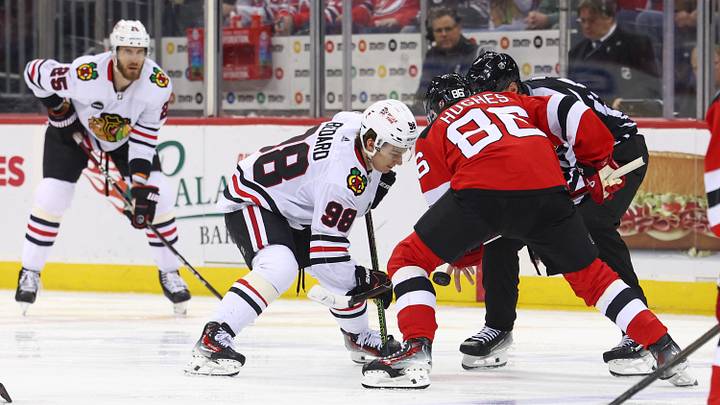
It has been a challenging couple of years on the injury front for Chicago Blackhawks' captain Connor Bedard. He injured his right shoulder on Nov. 17 against the Toronto Maple Leafs, and according to reports, could be sidelined for an extended period.
It is the second time Bedard has hurt his right shoulder and his third shoulder injury overall, following a left shoulder injury this past offseason and his first right shoulder injury in last December. At 5-foot-10 and 190 pounds, Bedard is already not an overly physical player, yet his shoulders keep becoming a problem.
One player he could borrow a thing or two from is New Jersey Devils star Jack Hughes. Hughes has recorded only one hit this season, a likely product of his own shoulder troubles.
Where have we seen this before?
Between 2023 and April 2025, Hughes suffered multiple shoulder injuries, the most recent to his right shoulder, which forced him to miss the rest of the season and the playoffs. When on the ice, he remains one of the league's best offensive forwards, proof that a player can be impactful without playing a physical game.
Chicago's issue is that the team as a whole lacks physicality, and the Devils have the same issue to an even worse extent with fewer hits than the Blackhawks this season. But they make up for it with a shutdown defense that limits chances and lets their goaltender handle the easier ones.
The Blackhawks are not yet in a position to afford that luxury. Physicality is something they could use to try to even the playing field by slowing and breaking down better teams. They can't afford for players like Bedard to avoid contact entirely.
The first step for head coach Jeff Blashill is to correct that, either through a change in play style or by asking general manager Kyle Davidson for reinforcements. Doing so would also put Bedard in a better position to succeed. Bedard has a point in all but two of his 15 games this season, and the Blackhawks have struggled to stay afloat without him.
That could mean Bedard has to play a less physical game, and Hughes is the model. Hughes still gets to high-danger areas with his speed while avoiding severe contact, which would require Bedard to lean more on his skating. According to NHL EDGE stats, Hughes has 42 speed bursts of 20-to-22 miles per hour this season, compared with 31 for Bedard. In the 18-to-20 mph range, Hughes has 226 to Bedard's 158.
Hughes has tailored his game to rely more on his feet. That approach has only been proven in recent years, although hasn't been tested to be fool proof yet. Still, it is a method that could keep Bedard on the ice and contributing, which is something the Blackhawks simply cannot do without.
 Add us as a preferred source on Google